
An Australian brand bringing a proven model into the US.
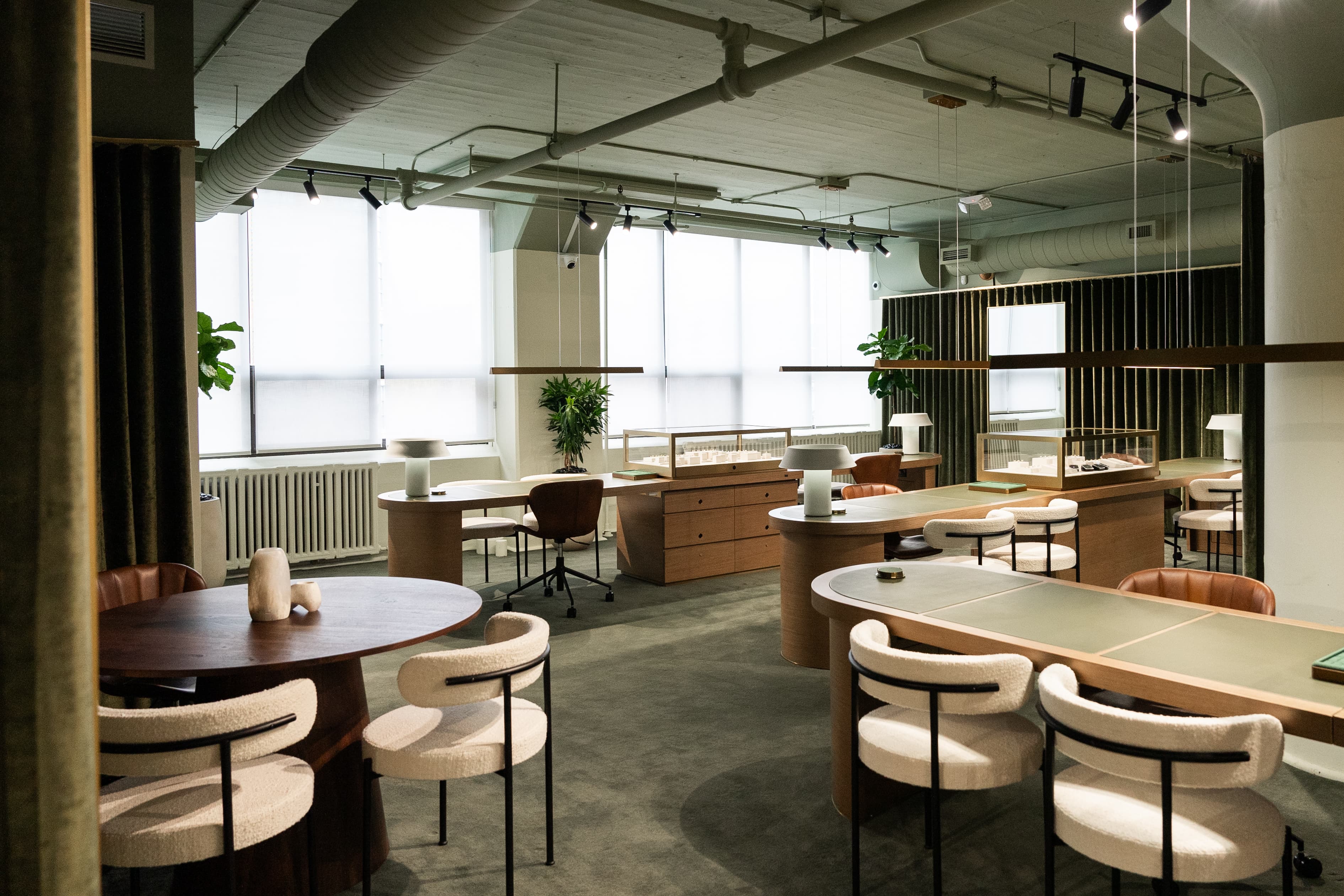
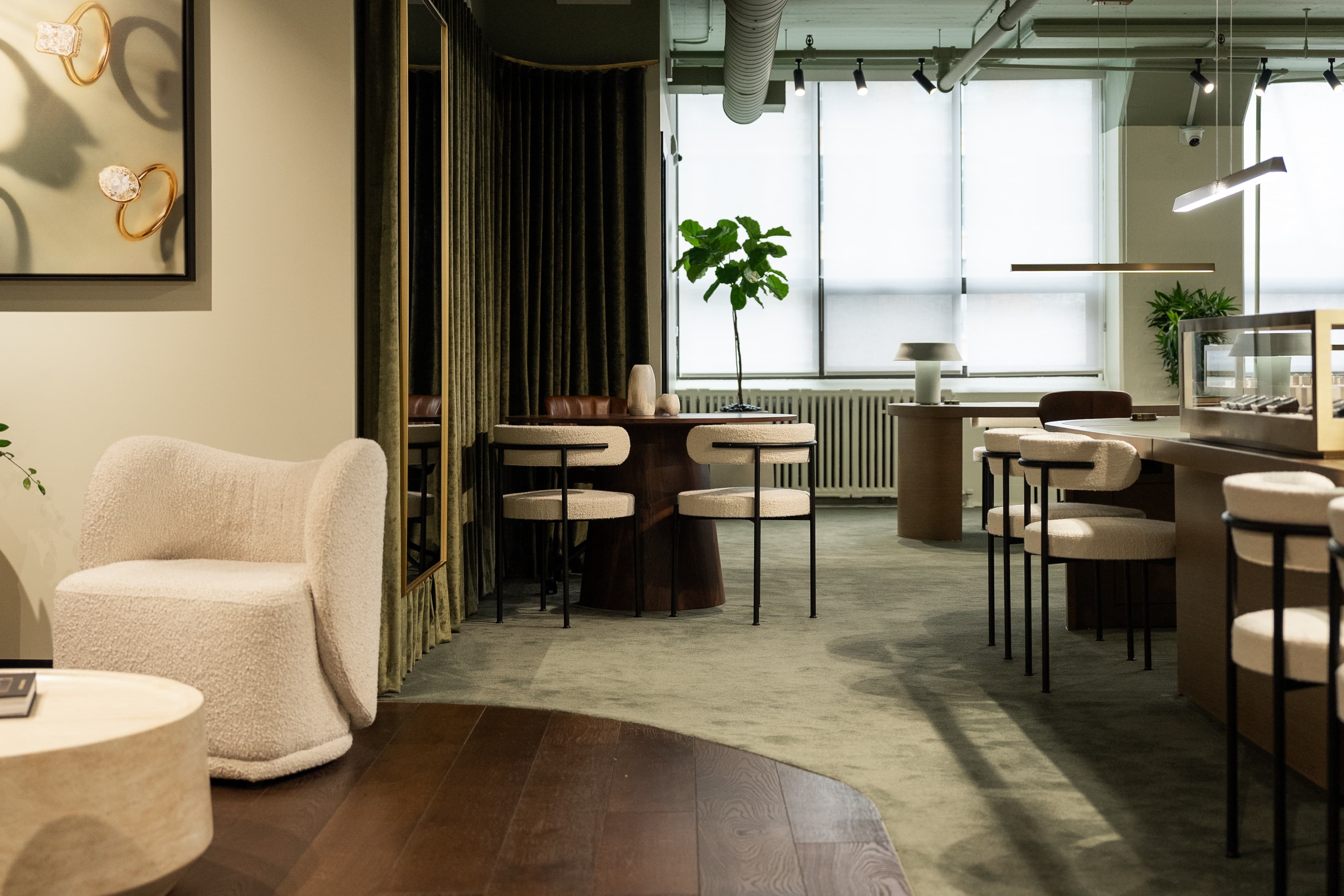
Cullen Jewellery built its category in Australia — premium, lab-grown jewellery with a customer experience that doesn't fit a shopping mall and doesn't fit a typical street-front jeweller. Their model is a second-floor, appointment-only showroom designed for time with the customer rather than walk-in volume.
Their head office in Melbourne already had an in-house design team producing the schematic-design package per location. What they needed in the US was an accountable delivery partner that could translate the brand standard into US-compliant construction documents, source the materials locally, and deliver multiple markets in parallel without losing brand consistency.
A global design system that's built to be implemented locally.
The first piece of work on the program was a set of global design and spatial guidelines that translated the Cullen brand into a scalable physical experience. Detailed design standards aligned to the visual identity sat alongside spatial principles covering customer experience, accessibility, sizing and location selection.
Working across multiple time zones, we collaborated with teams in different countries to make sure the guidelines were practical, locally adaptable and easy to implement. The framework lets local delivery teams set up new spaces independently while staying aligned with the global brand.
The result is a consistent, recognizable brand experience across international locations — and a measurable reduction in design time for every new site after the first.
Schematic-design translation, US sourcing, multi-market delivery.
- Schematic-design-package translation into US-buildable construction documents
- Local-code and accessibility compliance (path of travel, fire and life safety) per AHJ
- US-market sourcing of finishes, millwork and fixtures matched to the Australian brand standard
- Single point of accountability across all five locations
- Traveling crews where the program benefited from continuity across markets
“How do we find this carpet in the US that looks similar for a good price?”
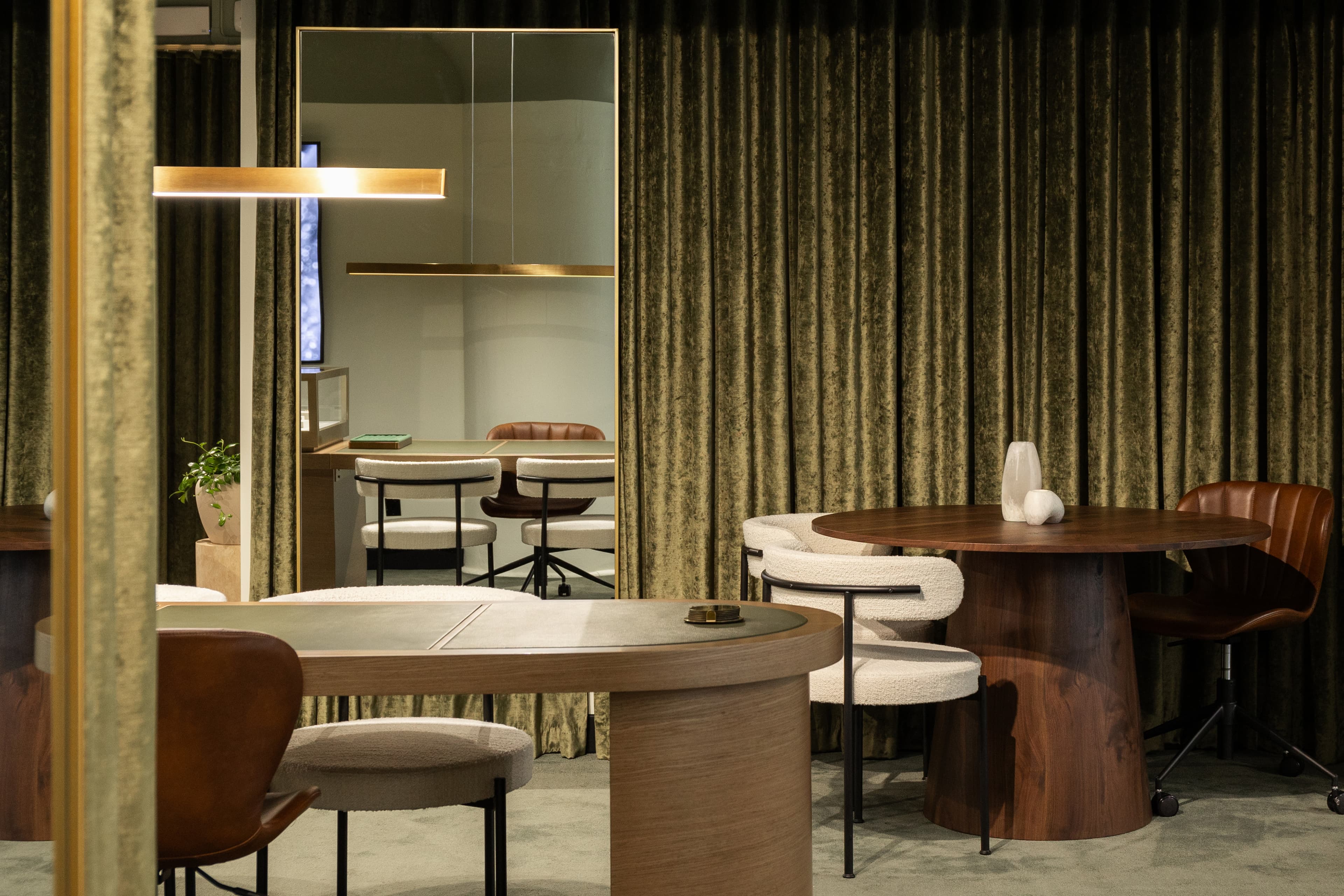
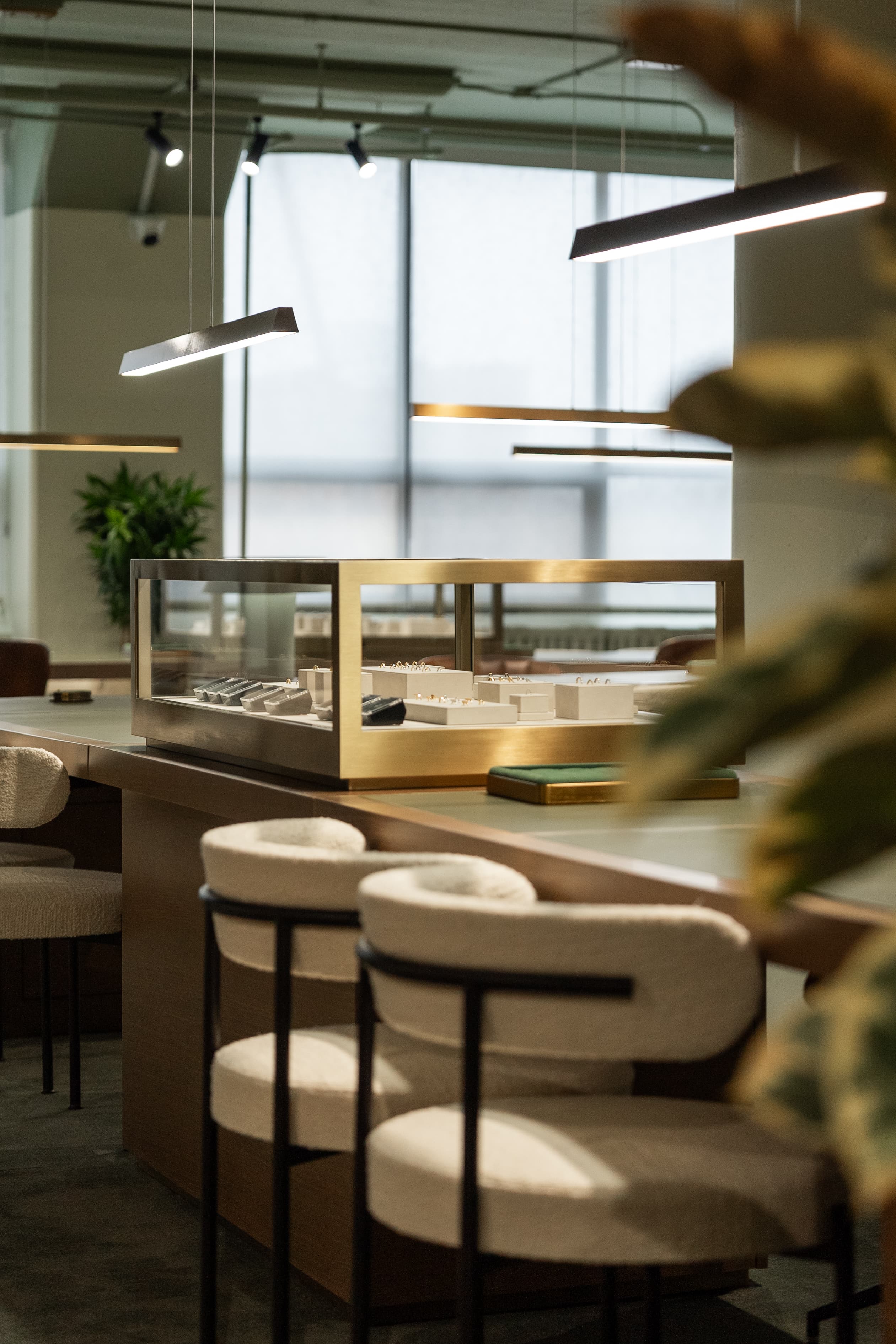
This was the literal first question on the Cullen program. Their Australian stores set the visual standard — the carpets, the millwork timbers, the lighting fixtures, the brass detailing. None of those products map one-for-one to a US sourcing catalog, and nothing in a brand-standards document tells a US contractor where to look.
For the first two stores we worked through the substitution list one material at a time — finding the US carpet that reads the same on camera, the joinery profile that the local millworkers can produce without exotic stock, the lighting fixture the brand will accept at a US price. By store three we had a pre-vetted US sourcing list against the brand standard that travels with the program.
That sourcing list is now a deliverable on every international rollout we run — it's the difference between the first store taking nine months and the fifth store taking four.
Five stores. Four US cities. One Canadian.
San Francisco
Los Angeles
San Diego
Houston
Toronto (Canada)
Lessons we apply on the next international rollout.
A brand standard built in another country almost never translates one-for-one.
The first one or two stores on any international program are the ones where the home-market brand standard meets US building code, US accessibility rules and US sourcing reality, and although that meeting produces a certain amount of rework on the early stores, the substitution decisions captured during the first two openings turn into a pre-vetted US sourcing list that travels with the program — which is why the third store on a Cullen-shape rollout opens materially faster than the first.
An appointment-only showroom needs to be leased and built as what it is, not as conventional street retail.
The economics of an appointment-only second-floor showroom — lower walk-in traffic, longer dwell time, lower square footage requirement, different signage profile — are different enough from conventional ground-floor specialty retail that the work-letter scope, the TI allowance, the signage rights and even the base-building MEP intent should be negotiated against the format the brand is actually building rather than against the generic specialty-retail benchmark a landlord will start from.
On a five-store program, single-point accountability is the difference between a clean rollout and a managed crisis.
A single-store opening can usually survive a brand running its own coordination across architect, GC, broker and host of vendors, because the project schedule is short enough and the cost-to-complete schedule narrow enough that anomalies surface visibly; a five-store program across five cities almost certainly cannot, because the variance hides in the gaps between counterparties, and one program manager who owns cost, schedule and risk across the portfolio quickly proves to be the most valuable line item in the budget.
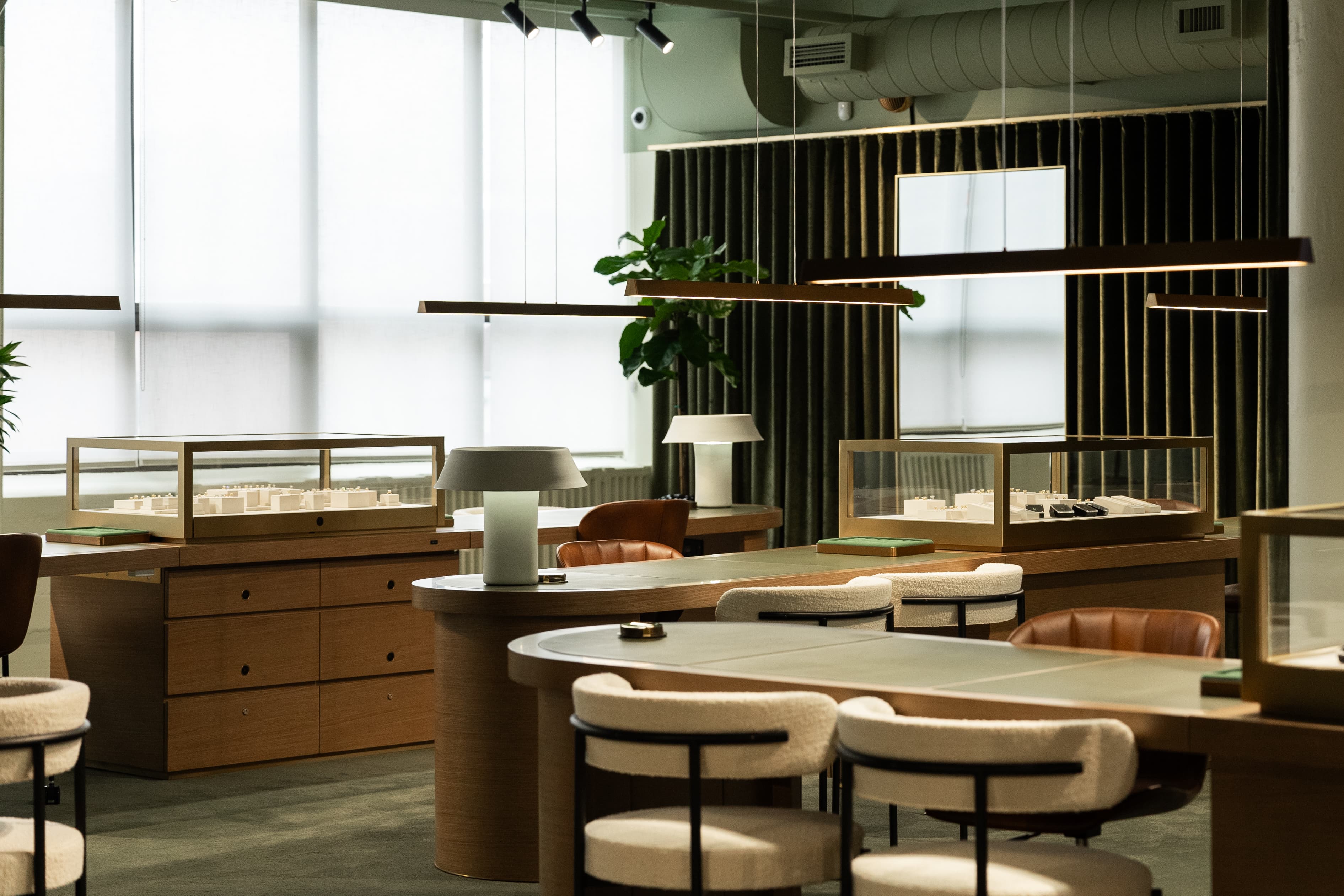
Photography: Cullen Jewellery, Toronto location. The brand standard runs the same across every Cullen showroom — the materials, fixtures and spatial principles you see here are what we delivered in every US market.
Have a similar program in the works?
International brand, multiple US markets, ground-up or second-generation TI. Tell us what you're building and we'll come back inside two business days with a scoping memo on what it actually takes.